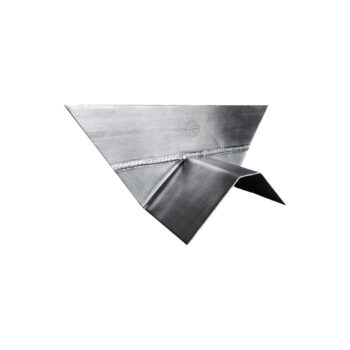
What is Chimney Flashing?
Chimney flashing is a weatherproofing system fitted at the junction between a chimney stack and the roof slope. It prevents rainwater from tracking down the face of the chimney and penetrating the roof at the point where masonry meets the tile or slate covering.
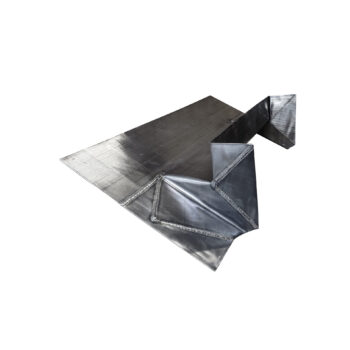
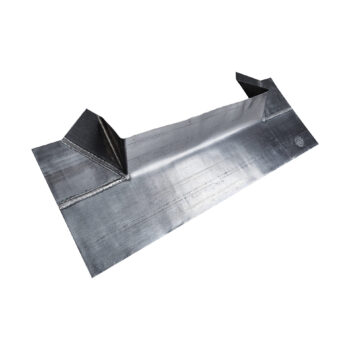
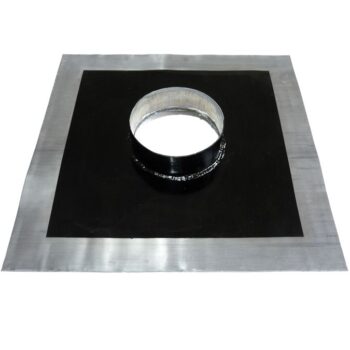
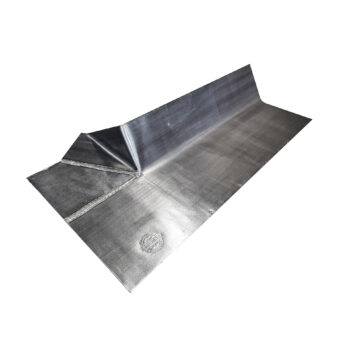
A full chimney flashing system typically comprises several components working together: a front apron at the base of the stack, side or step flashings running up each flank, a back gutter collecting water behind the stack, and a DPC (damp proof course) tray within the brickwork to intercept any moisture that does penetrate.
For a detailed breakdown of each component, how they work together and what to specify for different roof types, see our guide: What is a chimney flashing?
What is the Best Material for Chimney Flashing?
For generations, lead has been the preferred material for chimney flashings, and for good reason. It offers unmatched durability, flexibility across complex roof geometries, and a service life that far exceeds alternative materials when correctly installed to current standards. Code 4 lead is the specified minimum for chimney flashing applications.
Our chimney flashing range covers all the key components: front aprons, back gutters, ridge abutment saddles and DPC trays, all fabricated from BS EN 12588 compliant sheet lead.
How Often Should Lead Chimney Flashing be Replaced?
Lead chimney flashing can last for decades if installed correctly and maintained properly. However, its lifespan can vary depending on factors such as weather exposure, the quality of the lead used, and the standard of the original installation.
If you suspect your lead chimney flashing is damaged, have it inspected by a qualified roofer. They can assess the extent of the damage and advise whether repair or full replacement is the appropriate course of action.