

 Currently viewing - English
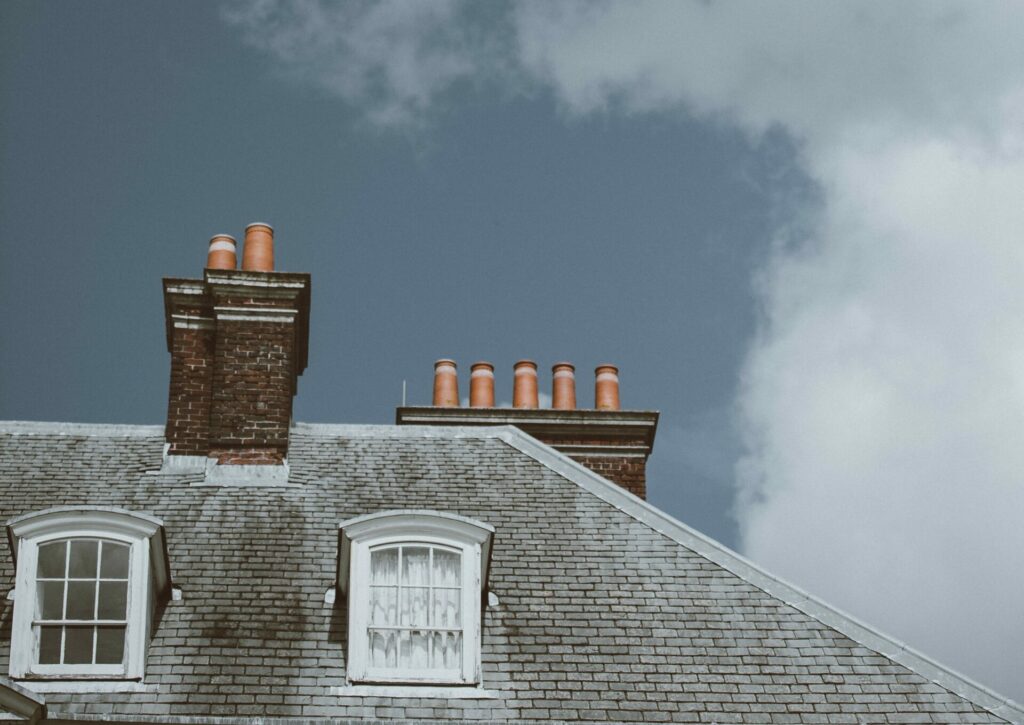
Water moves differently when it hits a chimney on the roof. At the join where roof coverings meet vertical brickwork, there’s an inherent weak point—unless every detail is just right.
Flashing must be shaped and set perfectly; otherwise, even small openings let moisture sneak through. Damp appears. Wood decays. Over time, unseen harm grows inside walls and beams.
Among all the components that protect this junction, chimney flashing is critical. That spot needs strong defense, so apron flashing sits right there. It blocks leaks where rain pushes strongest down the slope. Without it, moisture sneaks into weak points below.
Definition and Purpose:
An apron flashing is a shaped piece of lead—installed at the front (downslope side) of a chimney where it meets the roof. Its primary function is to form a tight seal between the masonry and the slope. Weatherproof this junction, allows rainwater to run off and is directed safely onto the roof surface and away from the building.
Where It Sits and What It Does
The apron flashing sits at the base of the chimney stack, extending out over the roof tiles or slates. This barrier blocks the joint where water would naturally collect and try to penetrate. Instead of soaking through, runoff flows safely away.
Key Components
How It Differs from Other Flashings
Unlike stepped side flashings or the back gutter, the apron flashing specifically deals with water flowing down the roof toward the chimney. It’s the first line of defence against direct rainfall runoff.
Why It’s Called an “Apron”:
The term “apron” comes from its resemblance to a protective garment. Flashing serves much like an apron that shields clothing – guarding what’s underneath. This flashing protects the vulnerable junction between chimney and roof. Visually, it appears as a protective layer draped over the roof surface. It deflects rainwater without drawing attention.
Complete Chimney Flashing Overview:
A properly protected chimney uses a system of flashings working together:
How They Work Together:
Each component manages water from a different direction:
Together, they form a complete weatherproofing system. Missing or poorly installed elements compromise the entire setup.
Material Options:
Lead (most common):
Alternatives:
Lead remains the preferred choice for quality installations due to its proven performance over decades.
Lead sheets are classified by “codes,” which indicate thickness and weight. (See: https://www.leadworx.com/news/lead-sheet-codes-explained/)
Industry Standards for Apron Flashings:
When to Use Code 5
Why Thickness Matters:
Common Mistakes:
Standard Measurements for Front Aprons:
Why These Dimensions:
How Pitch Affects the Apron:
Roof pitch determines how quickly water flows and how the flashing must be shaped. Steeper roofs require careful forming to ensure proper contact and drainage.
Typical roof pitches range from 20° to 50°, and the apron must be fabricated to suit.
Measuring Your Roof Pitch:
Visual Warning Signs:
Performance Issues:
Common Failure Points:
Expected Lifespan:
Maintenance Schedule:
Price Influences:
Value Considerations:
What’s the difference between front apron and back gutter?
The front apron handles water flowing down the roof, while the back gutter diverts water around the rear of the chimney.
Can I use the same lead code for all chimney flashings?
Not always. Code 4 is typical for aprons and step flashings, while larger or exposed areas may require Code 5.
How do I measure for an apron flashing?
Measure chimney width and add at least 150mm overlap on each side, plus required upstand and lap dimensions.
Will an apron flashing work on any roof pitch?
Yes, but it must be shaped correctly to suit the pitch.
How long should a lead apron flashing last?
Typically 60–100+ years when installed properly.
Can I install an apron flashing myself?
DIY is possible, but poor installation is a leading cause of failure. Professional fitting is recommended for reliability.
Conclusion
Apron flashings guard chimneys where rain likes to sneak through. When sized and installed right they block rainwater by design. Using Code 4 lead, following correct dimensions, and ensuring proper installation are key to long-term performance.
A strong roof begins with durable materials, carefully assembled. When built well it blocks leaks that could hard the structure. Over time this investment reduces repairs, saving money.
Explore the Leadworx range of made-to-measure apron flashings to ensure your chimney is protected for decades to come.

 Switch to Ireland