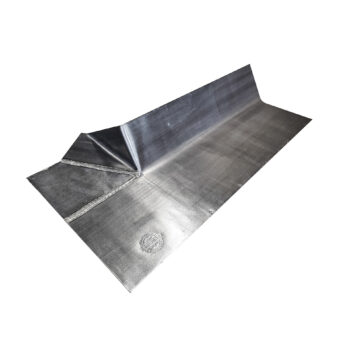
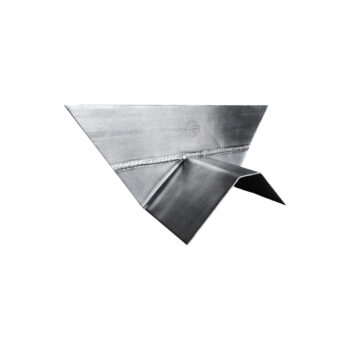
Chimney flashings are essential for protecting your chimney from the elements. To ensure maximum protection, it is important to cover the intersections of the chimney and roof and install a damp proof course (DPC). A correctly installed chimney flashing will prevent rain from seeping into the roof and should last for decades.
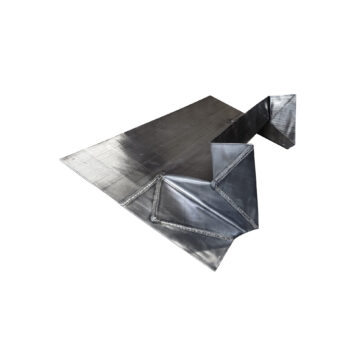
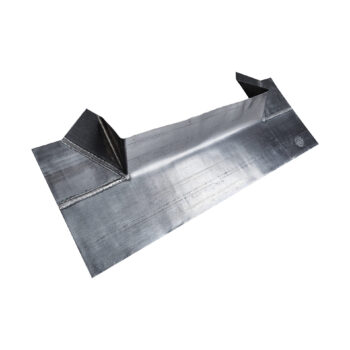
For generations, lead has been the go-to material for these components. Including front aprons, back gutters, ridge abutments, and DPC trays.
Our products are designed to be easy to install. And provide a durable, high-quality weathering solution that is both sustainable and long-lasting.
Trust Leadworx to provide you with the custom-made lead chimney flashings you need to protect your home.
Leadworx fabricates a range lead flashing products made using 100% recyclable Code 4 sheet lead milled to British Standard BS EN 12588.



LEADWORX TOOLS
Calculate from measurements, or estimate the angle from a photograph.
Measure the vertical rise and horizontal run between the same two points.
Use the same unit for both, such as mm or cm. Run is not the sloping roof length or automatically the full building width.
Enter your measurements to begin.
Enter measurements first.
These formats describe the same slope; they are not product size recommendations.
Use a square-on view of the roof profile, with a known horizontal reference in the same plane.
The photo box opens your camera on supported phones and tablets. On a computer, choose a photo file or drop one into the box.
Processed on your device by this tool. JPG, PNG or WebP, up to 20 MB and 24 megapixels. Export HEIC as JPG first.
Tap the photo box or choose a saved photo.
Tap four points: two on the roof slope, then two on a level reference. Drag points to adjust. Use long lines for a better estimate.
Focus the photo. Arrow keys move the marker; Shift moves 10 pixels. Enter adds a point. Select a placed point below to adjust it with the arrows. Escape returns to the free marker.
No points placed.
Mark the photo first.
The reference line corrects camera tilt, not perspective or lens distortion. A photo cannot guarantee the angle needed for manufacture.
Check the pitch before ordering made-to-measure leadwork. Measure only from a safe, accessible position.