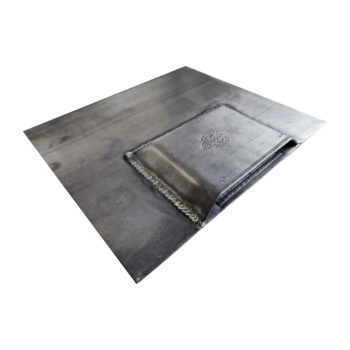
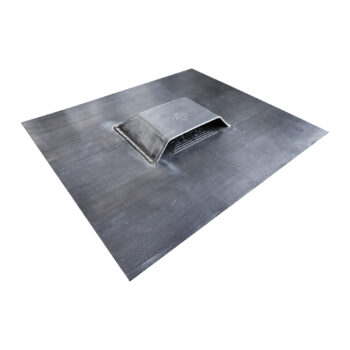
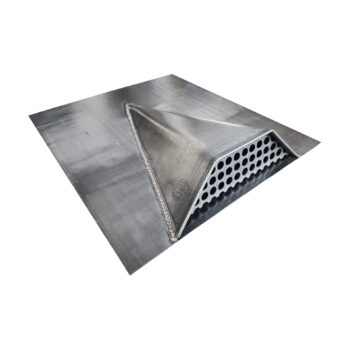
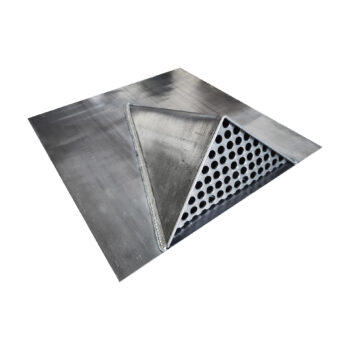
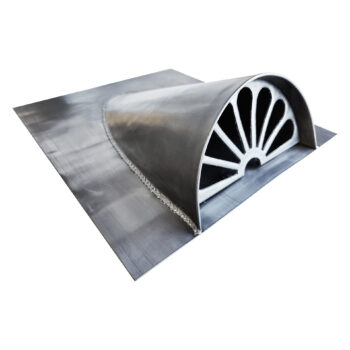
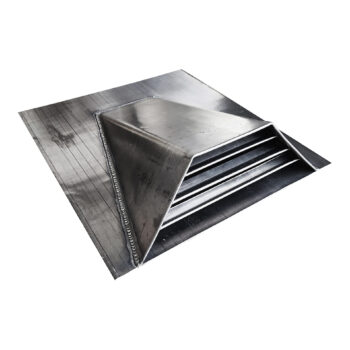
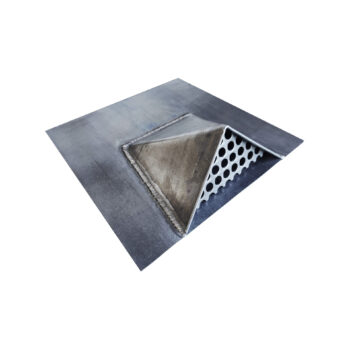
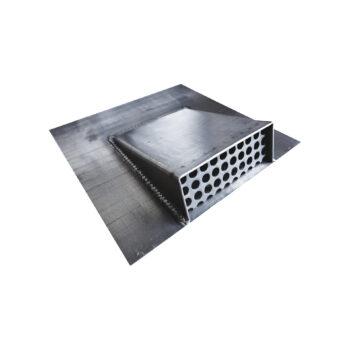
Leadworx’s lead roof tile vents are an innovative and attractive solution for enhancing ventilation in a variety of buildings. These vents are expertly designed to cater to specific requirements. Such as facilitating bat access to attic spaces and improving air circulation through adaptable ducting systems. Our range of vents is crafted for easy maintenance, ensuring long-lasting performance.
Lead roof tile vents offer exceptional versatility across different roofing systems, making them suitable for clay tiles, concrete tiles, slate, and natural stone installations. The malleable nature of lead allows these vents to be expertly shaped and weatherproofed to match the contours and profiles of various tile types. This adaptability ensures a seamless weatherproof seal regardless of the roof pitch or tile configuration, while the inherent durability of Code 4 and 5 sheet lead provides long-term performance that matches the lifespan of quality roofing materials. Whether retrofitting an existing tiled roof or specifying ventilation for new construction, lead tile vents integrate discreetly with the roofline.
Available in various sizes, lead roof vents are perfect for efficiently ventilating roof spaces of any dimension. Emphasising both quality and environmental responsibility, our products stand out in the market. We commit to sustainability by using 100% recyclable Code 4 and 5 sheet lead, meticulously milled to meet the exacting standards of British Standard BS EN 12588.
Choosing Leadworx means opting for a superior, eco-friendly approach to roof ventilation. Our lead roof vents not only enhance the aesthetic appeal of buildings but also contribute to a healthier, more comfortable indoor environment. By selecting our products, customers invest in durability, functionality, and an eco-conscious choice for their ventilation needs. With Leadworx, experience the perfect blend of style, efficiency, and sustainability in roof ventilation solutions.




 Switch to English