


 Switch to English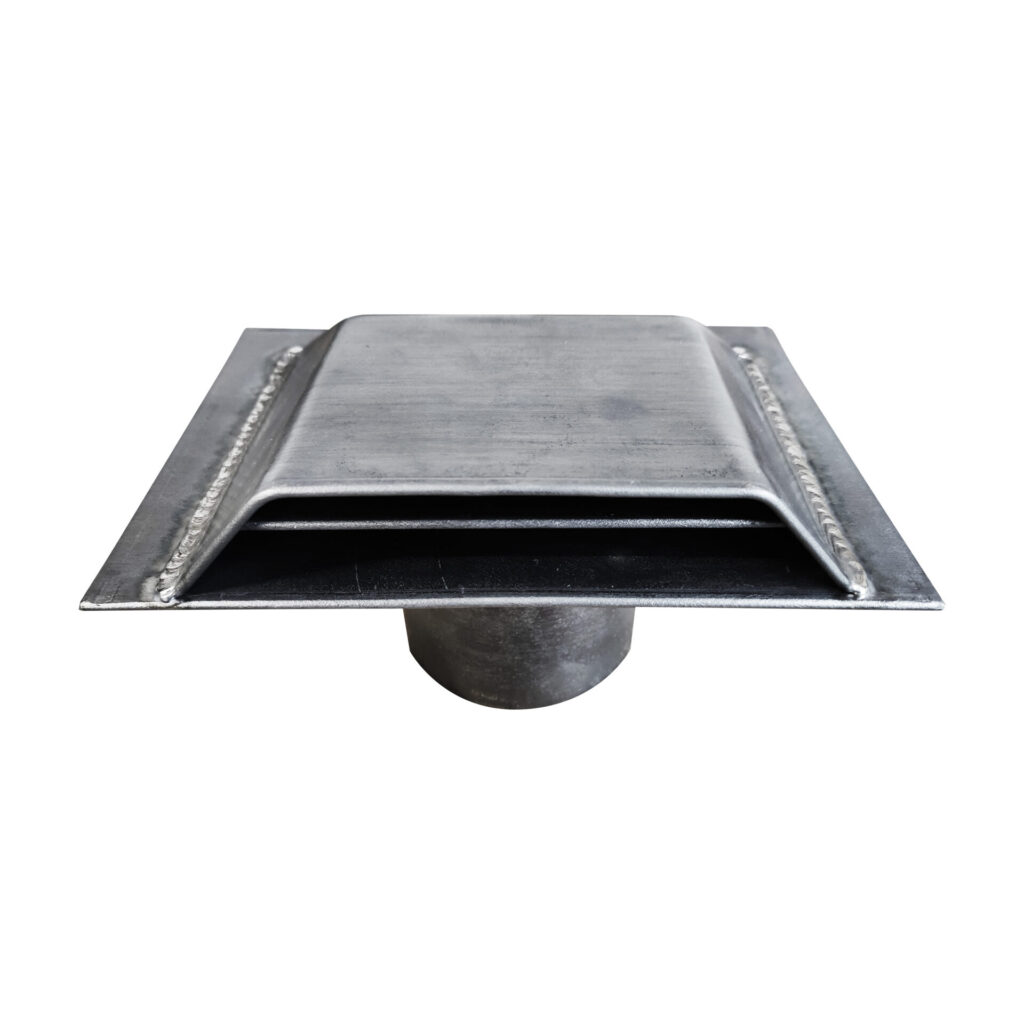
Why is Proper Ventilation Crucial for a Healthy Indoor Environment?
Poor ventilation lets moisture, cooking odours and general staleness build up indoors. Left unchecked, that moisture condenses on cold surfaces and turns into mould and damp patches, which is the main reason bathrooms, kitchens and utility rooms need a dedicated way to push moist air back outside.
A wall vent is one of the simplest ways to do that: a fixed opening through an external wall, usually connected to an extractor fan by a short length of ducting, or left open as passive ventilation into a void or unheated space.
What Does a Wall Vent Do?
Inside, an extractor fan pulls moist air out of the room. That air needs somewhere to go, and a wall vent is the fitting that lets it exit through the wall rather than into a cavity or roof void, where it would just cause damp somewhere else. The same fitting works in reverse for passive ventilation, letting outside air into an unheated space like a crawl void or airing cupboard.
This is different from the ducted supply and return vents in a central air conditioning system. A wall vent like ours is a single termination point, not part of a wider ducted network, which is why fitting one is a straightforward retrofit rather than a full mechanical ventilation project.
The Connection Between Wall Vents and Indoor Air Quality
Keeping the air flowing properly is key to ensuring you have good indoor air quality. It directly helps in stopping pollutants from piling up in your home or building. The airflow from wall vents keeps the air circulating throughout the space. This circulation is crucial as it helps to dilute and remove airborne contaminants.
When air moves effectively through those wall vents, it pushes out the old, stale air and brings in fresh air. This process is vital for preventing moisture build-up, which can lead to mould and mildew. Plus, good airflow helps manage humidity levels by letting damp air escape while allowing drier air to come in.
Keeping a Wall Vent Working
A blocked vent doesn’t ventilate anything, so it’s worth checking twice a year that the grille is clear of leaves, moss, cobwebs, or anything nesting in the ducting. Beyond that, the vent itself needs no maintenance. That’s one advantage of a fixed metal cover over plastic: no UV degradation to watch for, and no risk of the cover cracking or discolouring over time.
Wall Vent Materials
Wall vents are made from plastic, aluminium, or lead. Plastic is the cheapest and most common, but it discolours and turns brittle under UV exposure within a few years, especially on a south-facing wall. Aluminium holds up better but still looks visibly modern against older brick or stone.
Lead is the traditional choice on period and listed buildings because it weathers to a natural grey patina instead of degrading, and conservation officers recognise it as an appropriate material for that context. Leadworx wall vents are hand-fabricated in Cornwall from 100% recycled Code 4 and 5 sheet lead milled to BS EN 12588, and come with a spigot to connect directly to standard 100mm extractor ducting.
